Why do people take risks in gambling Exploring the psychology behind casino behavior
The Thrill of Uncertainty
The fundamental allure of gambling lies in the thrill of uncertainty. Every time a player places a bet, they venture into the unknown, which triggers an adrenaline rush. This rush is akin to other risk-taking behaviors, where the brain releases dopamine, creating feelings of pleasure and excitement. Gamblers often find themselves chasing these high-stakes moments, where the possibility of a substantial win keeps them engaged, despite the inherent risks involved. You can explore more about this exciting experience on mistergolden.uk.

This uncertainty extends beyond mere financial outcomes; it encompasses the anticipation leading up to the result. For many, the wait can amplify the excitement, as they envision the possibilities that come with winning. This emotional rollercoaster can become addictive, reinforcing the desire to continue gambling, even when the odds are unfavorable. The unpredictability of games in a casino setting, such as roulette or blackjack, only serves to heighten this sensation.
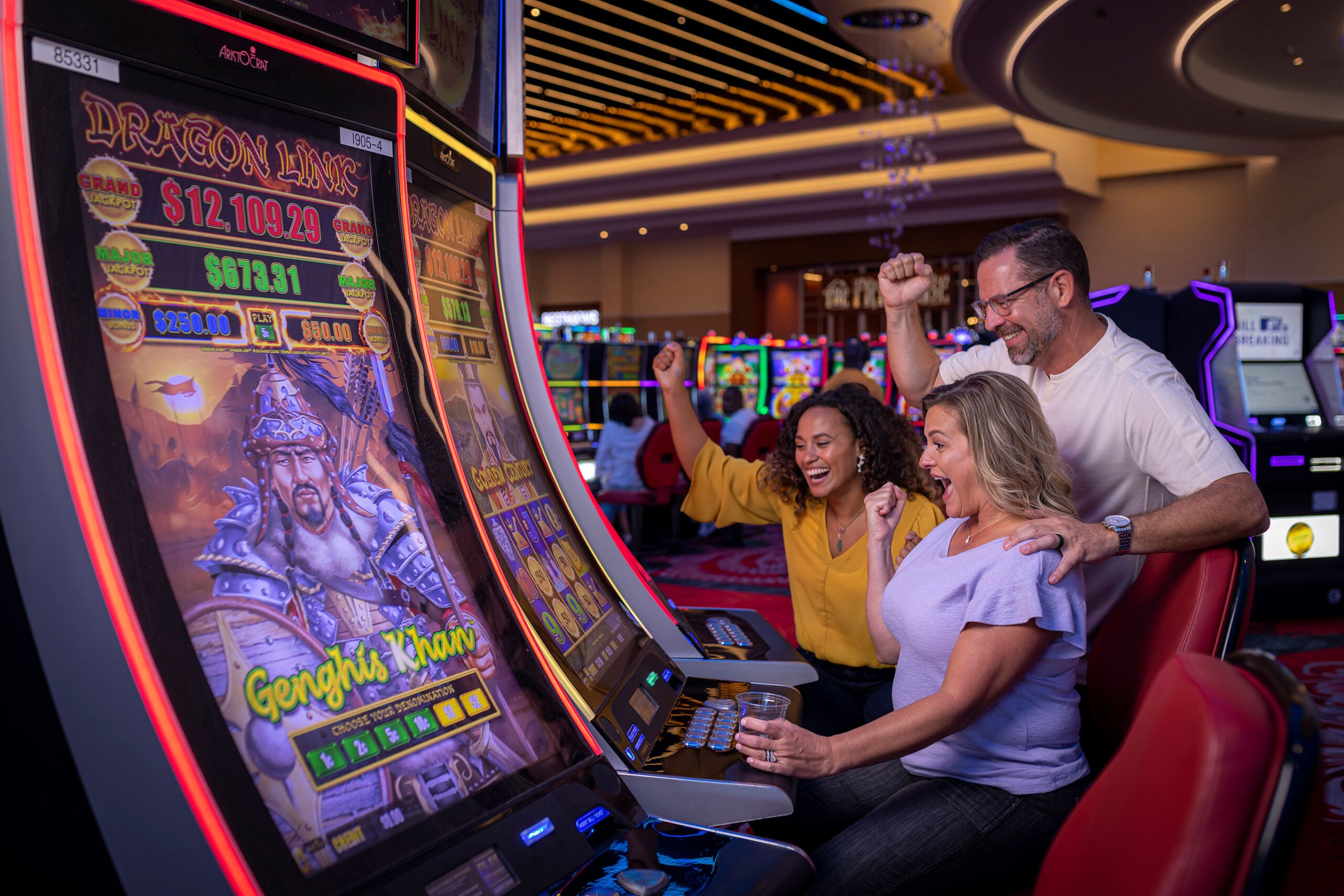
Moreover, the environment in casinos contributes to this thrill-seeking behavior. The vibrant lights, sounds, and overall atmosphere create an exhilarating backdrop that encourages risk-taking. Players often report feeling more alive and engaged in this environment, which may not be replicated in their everyday lives. This sense of escapism, combined with the thrill of uncertainty, makes gambling an appealing activity for many.
Social Influences on Gambling Behavior
The social aspect of gambling significantly impacts individual behavior. Many people engage in gambling as a group activity, whether it be visiting a casino with friends or participating in a poker night. This social interaction can provide a sense of belonging and camaraderie, which often leads to increased risk-taking. The desire to impress peers or partake in shared excitement can encourage individuals to gamble more than they typically would alone.
Additionally, social norms surrounding gambling can influence behavior. In certain cultures, gambling may be seen as a rite of passage or a form of entertainment that is socially accepted. When individuals are surrounded by others who view gambling positively, they are more likely to take risks themselves. Conversely, stigma surrounding gambling can also push individuals to gamble in secret, leading to reckless behavior in an attempt to chase wins without social scrutiny.
Moreover, the proliferation of online gambling platforms has reshaped social dynamics. Gamers can now connect with others around the globe, often encouraging riskier behavior. The presence of social features like leaderboards and multiplayer games can amplify the competitive spirit, pushing players to take greater risks in pursuit of recognition and rewards. This combination of social influence and a sense of belonging can create a potent mix that drives people to gamble more aggressively.
The Role of Cognitive Biases
Cognitive biases play a crucial role in gambling behavior, shaping how individuals perceive risks and rewards. One of the most prominent biases is the illusion of control, where gamblers believe they can influence outcomes, especially in games of chance. This misconception can lead to increased betting and, ultimately, greater financial losses as individuals overestimate their abilities. Such biases are often perpetuated by near-misses, where players come close to winning, reinforcing the belief that a big win is just around the corner.
Another common bias is the gambler’s fallacy, where individuals believe past outcomes can influence future results. For example, a player may think that if a roulette ball has landed on red several times in a row, black is "due" to come up. This flawed logic can lead to misguided betting strategies, resulting in higher risks. Gamblers frequently fall prey to these cognitive distortions, failing to recognize the independent nature of each game.
These biases are not merely psychological quirks; they can lead to dangerous gambling patterns. When players consistently act on these biases, they may chase losses and continue betting beyond their limits. Recognizing the impact of cognitive biases is essential for understanding gambling behavior, as it highlights the disconnect between rational thinking and emotional decision-making. Ultimately, these biases can contribute to a cycle of risk-taking that is hard to break.
The Emotional Rollercoaster of Gambling
The emotional experience of gambling can be profoundly complex. For many, the highs of winning create euphoric feelings that can lead to a desire for more. Conversely, losses can induce feelings of despair or frustration. This rollercoaster of emotions is a significant driver behind continued gambling, as players may feel compelled to gamble again to recover losses or recapture the thrill of a win. This emotional connection can create an addictive cycle that is difficult to escape.
Furthermore, gambling can also serve as an emotional escape for individuals facing stress or challenges in their lives. The excitement of gambling provides a distraction, allowing players to momentarily forget their problems. In this context, risk-taking becomes not just a pursuit for financial gain but a means of coping with life’s difficulties. Unfortunately, this reliance on gambling as an emotional outlet can lead to problematic behaviors and increased risks.
The emotional aspects of gambling are further complicated by the effects of reward schedules. Variable reinforcement, where wins are unpredictable, can lead to stronger behavioral conditioning. Gamblers may chase after that elusive win, propelled by the emotional highs and lows of the gambling experience. This emotional rollercoaster becomes a key part of why individuals continue to gamble, often leading them to take risks they might otherwise avoid.
Engaging with Mister Golden Casino
Mister Golden Casino offers an immersive gambling experience that taps into the psychological aspects discussed above. With a diverse selection of over 3,000 games, players can find everything from slots to live dealer options, each designed to provide excitement and engagement. The casino's environment enhances the thrill of uncertainty, encouraging players to explore different games and embrace the risk associated with gambling.
Additionally, Mister Golden Casino is committed to fostering a responsible gaming environment. The platform recognizes the psychological factors that drive gambling behavior and provides resources for players to set limits and gamble responsibly. With features such as deposit limits and self-exclusion options, the casino prioritizes the well-being of its players while still delivering an exhilarating experience.
For those looking to enhance their gambling journey, Mister Golden Casino offers enticing welcome bonuses and ongoing promotions. These incentives not only heighten the thrill but also provide players with a more extensive opportunity to explore games without excessive financial risk. By understanding the psychology behind gambling behavior, Mister Golden Casino aims to create a balanced approach to gaming that allows for enjoyment while minimizing potential risks.